Auswahl eines umweltfreundliche leere Sonnencremeflasche Sie unterstützen direkt einen nachhaltigen Lebensstil. Indem Sie Verpackungen wählen, die weniger Abfall auf Deponien und in den Ozeanen produzieren, leisten Sie einen positiven Beitrag zum Umweltschutz und zu Ihrer Gesundheit. Denken Sie über Ihre täglichen Gewohnheiten nach, insbesondere im Bereich der Körperpflege, und überlegen Sie, wie verantwortungsvolle Verpackungsentscheidungen dazu beitragen, Ihren CO₂-Fußabdruck zu verringern und natürliche Ressourcen zu schonen.
|
Verpackungsmerkmale |
Umweltnutzen |
|---|---|
|
Umweltfreundliche Materialien und minimalistisches Design |
Reduziert Abfall, schont Ressourcen, verringert den CO2-Fußabdruck |
Wichtigste Erkenntnisse
-
Die Wahl umweltfreundlicher Sonnenschutzmittelflaschen reduziert Abfall und unterstützt einen nachhaltigen Lebensstil.
-
Um die Umweltbelastung zu minimieren, achten Sie auf Flaschen aus recycelbaren Materialien wie Glas, Aluminium oder biologisch abbaubaren Kunststoffen.
-
Setzen Sie auf anpassbare und ergonomische Designs, um das Benutzererlebnis zu verbessern und die Markentreue zu fördern.
-
Achten Sie auf anerkannte Zertifizierungen, um sicherzustellen, dass die Verpackung Umweltstandards erfüllt und Greenwashing vermieden wird.
-
Setzen Sie auf kreative Wiederverwendung und verantwortungsvolle Entsorgungspraktiken, um die Lebensdauer Ihrer Sonnencremeflasche zu verlängern und den Müll auf Deponien zu reduzieren.
Was macht eine leere Sonnencremeflasche umweltfreundlich?
Nachhaltige Materialien und Design
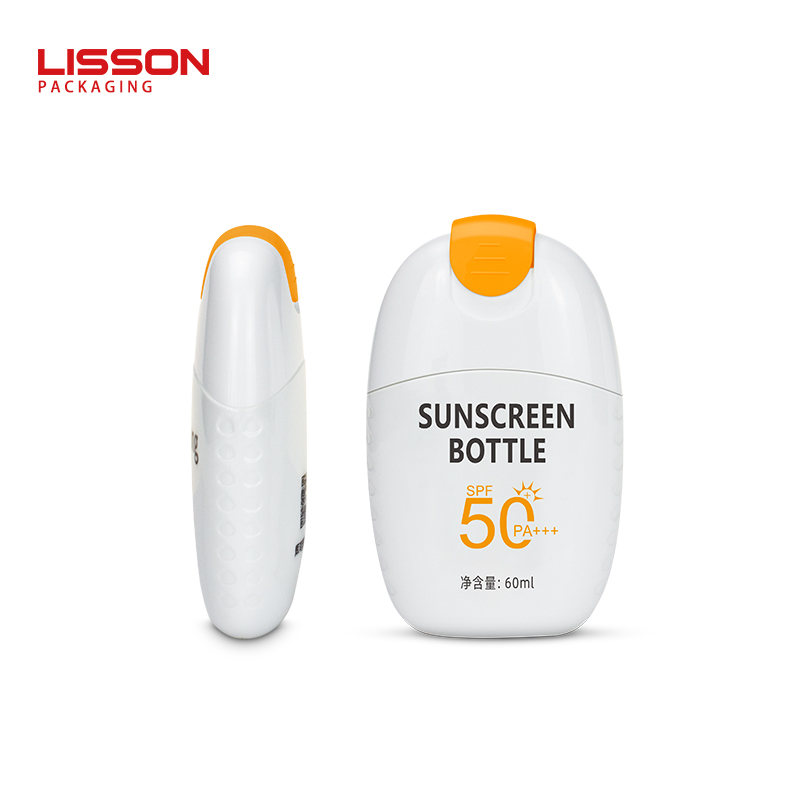
Sie leisten einen wichtigen Beitrag zur Nachhaltigkeit, indem Sie eine leere Sonnenschutzmittelflasche aus umweltfreundlichen Materialien wählen. Hersteller verwenden häufig PE (Polyethylen) aufgrund seiner Langlebigkeit und Recyclingfähigkeit, wie beispielsweise bei der hochwertigen, leeren 60-ml-Sonnenschutzmittelflasche von Lisson Packaging. Der ABS-Deckel sorgt für Stabilität und Sicherheit, während die Tropfform eine ergonomische Handhabung und präzise Dosierung ermöglicht. Diese Eigenschaften vereinen sich zu einer Flasche, die sowohl ökologische Verantwortung als auch Benutzerfreundlichkeit vereint.
Berücksichtigen Sie die Umweltauswirkungen verschiedener Materialien:
|
Materialart |
Umweltauswirkungen |
|---|---|
|
biologisch abbaubare Kunststoffe |
Unter Kompostierungsbedingungen zersetzen sie sich innerhalb von 90 bis 180 Tagen, wodurch der Abfall auf der Deponie reduziert wird. |
|
Glas |
Wiederverwendbar und recycelbar, wodurch der Ressourcenverbrauch minimiert wird. |
|
Aluminium |
Gut recycelbar, reduziert Treibhausgasemissionen. |
|
Recyclingmaterial |
Reduziert die Emissionen um bis zu 30 % im Vergleich zu Primärmaterialien und unterstützt so eine Kreislaufwirtschaft. |
Auch gestalterische Merkmale unterscheiden umweltfreundliche Flaschen von herkömmlichen Alternativen:
|
Designmerkmal |
Umweltfreundliche Flaschen |
Konventionelle Alternativen |
|---|---|---|
|
Luftlose Technologie |
Verhindert den Kontakt mit Luft und reduziert so Abfall. |
Ermöglicht häufig den Kontakt mit Luft. |
|
Materialnachhaltigkeit |
Enthält recycelbare und PCR-Materialien |
Üblicherweise hergestellt aus nicht recycelbaren Kunststoffen |
|
Nachfüllbares Design |
Reduziert den Plastikverbrauch, fördert die Nachhaltigkeit |
Üblicherweise für den Einmalgebrauch |
|
Verbesserte Präsentation |
Hochwertige Optik mit individuell anpassbaren Oberflächen |
Standardausführungen |
Sie profitieren von diesen Innovationen, indem Sie Abfall reduzieren und zu einem gesünderen Planeten beitragen.
Fertigungs- und Qualitätsstandards
Die Qualitätssicherung gewährleistet, dass Ihre leere Sonnenschutzmittelflasche höchsten Sicherheits- und Nachhaltigkeitsstandards entspricht. Marken wie Lisson Packaging investieren in moderne Produktionsanlagen und strenge Tests. Sie bewerten Materialqualität und Design, um Ihr Produkt zu schützen und das Vertrauen der Verbraucher zu stärken. Umweltauswirkungen prägen die Markenwahrnehmung und Marktpositionierung. Daher spricht die Wahl von Verpackungen mit Nachhaltigkeitszertifizierungen umweltbewusste Käufer an.
Mit den Individualisierungsoptionen können Sie die Verpackung an Ihre Markenidentität anpassen. Wählen Sie Farben, Logos und Oberflächen, die Ihre Werte widerspiegeln. Diese Flexibilität unterstützt sowohl Ihre Marketingziele als auch Ihre Nachhaltigkeitsbemühungen. Wenn Sie sich für eine Flasche eines renommierten Herstellers entscheiden, können Sie sich auf deren Sicherheit und Umweltverträglichkeit verlassen.
Tipp: Achten Sie bei der Auswahl umweltfreundlicher Verpackungen stets auf Zertifizierungen und transparente Beschaffungspraktiken. So unterstützen Sie Marken, die sich Integrität und Nachhaltigkeit verschrieben haben.
Vorteile von umweltfreundlichen, leeren Sonnenschutzmittelflaschen
Umweltauswirkungen
Sie leisten einen wichtigen Beitrag zum Umweltschutz, indem Sie sich für eine umweltfreundliche, leere Sonnencremeflasche entscheiden. Nachhaltige Verpackungen reduzieren Abfall und senken Emissionen über ihren gesamten Lebenszyklus hinweg. Die Hersteller entwickeln diese Flaschen so, dass sie wiederverwendet und recycelt werden können. Dies fördert eine Kreislaufwirtschaft und minimiert die Abhängigkeit von fossilen Brennstoffen. Die folgende Tabelle verdeutlicht die Unterschiede zwischen umweltfreundlichen Flaschen und herkömmlichen Plastikflaschen:
|
Aspekt |
Umweltfreundliche Flaschen |
Traditionelle Plastikflaschen |
|---|---|---|
|
Lebenszyklus |
Für Wiederverwendung und Recycling konzipiert. |
Linearer Lebenszyklus, der zu mehr Abfall führt |
|
Material |
Tritan RENEW, hergestellt aus recycelten Abfällen |
Neue Kunststoffe, oft aus fossilen Brennstoffen |
|
Umweltauswirkungen |
Geringerer Verbrauch fossiler Brennstoffe und geringere Emissionen |
Höhere Emissionen und Umweltverschmutzung |
|
Herausforderungen beim Recycling |
Verbessertes Recyclingpotenzial |
Niedrigere Recyclingquoten |
|
Produktionsprozess |
Molekulares Recycling für Nachhaltigkeit |
Konventionelle Methoden mit toxischen Nebenprodukten |
Sie unterstützen sauberere Produktionsmethoden und höhere Recyclingquoten, indem Sie nachhaltige Verpackungen wählen.
Gesundheit und Sicherheit
Umweltfreundliche Flaschen schützen Ihre Gesundheit durch die Verwendung sichererer Materialien und die Reduzierung der Belastung mit schädlichen Chemikalien. Hersteller vermeiden giftige Nebenprodukte während der Produktion, wodurch das Kontaminationsrisiko sinkt. Sie profitieren von Verpackungen, die strenge Qualitätsstandards erfüllen und gesetzlichen Bestimmungen entsprechen. Die erweiterte Herstellerverantwortung (EPR) und Richtlinien wie die EU-Richtlinie über Einwegkunststoffe verpflichten Marken zur Verwendung von Recyclingmaterial und zum verantwortungsvollen Umgang mit Verpackungsabfällen. Diese Regelungen gewährleisten, dass Ihre Produkte sicher und nachhaltig bleiben.
|
Regulierungsart |
Beschreibung |
|---|---|
|
Erweiterte Herstellerverantwortung (EPR) |
Marken sind für das Lebenszyklusmanagement von Verpackungsabfällen verantwortlich. |
|
EU-Richtlinie über Einwegkunststoffe |
Erfordert einen Recyclinganteil von 30 % in Plastikflaschen bis 2030. |
|
Mindestanteile an Recyclingmaterial in Kalifornien |
Schreibt vor, dass Kunststoffbehälter bis 2025 zu 25 % aus Recyclingmaterial bestehen müssen. |
|
Steueranreize in Frankreich |
Bietet reduzierte Umweltabgaben für Verpackungen mit hohem Recyclinganteil an. |
Gemeinnützige Vorteile
Sie tragen zum Wohlergehen Ihrer Gemeinde bei, indem Sie Initiativen für umweltfreundliche Verpackungen unterstützen. Lokale Abfallwirtschaftssysteme verbessern sich, wenn mehr Menschen nachhaltige Flaschen verwenden. Kompostierungsprogramme in der Gemeinde verhindern, dass organische Abfälle auf Deponien landen, reduzieren Methanemissionen und liefern nährstoffreichen Kompost für die urbane Landwirtschaft. Die Einführung des BurCell®-Systems in einer mittelgroßen Stadt führte zu einer 50-prozentigen Steigerung der organischen Abfallverwertung und einer deutlichen Reduzierung der Deponienutzung. Diese Maßnahmen tragen zu saubereren Wohngebieten und einer gesünderen Umwelt bei.
-
Das BurCell®-System steigerte die Verwertung organischer Abfälle um 50 %.
-
Die Nutzung von Mülldeponien ging aufgrund effizienter Abfallwirtschaft zurück.
-
Durch kommunale Kompostierungsprogramme wurden die Methanemissionen reduziert und Kompost für die städtische Landwirtschaft bereitgestellt.
Hinweis: Ihre Wahl nachhaltiger Verpackungen unterstützt den Umweltschutz, die öffentliche Gesundheit und das Wohlergehen der Gemeinschaft.
Die richtige leere Sonnencremeflasche auswählen
Wichtige Merkmale, die zu berücksichtigen sind
Bei der Auswahl eines Produkts müssen Sie mehrere wichtige Merkmale berücksichtigen. Leere Sonnencremeflasche Für Ihren nachhaltigen Lebensstil. Individuell anpassbare Optionen, wie sie beispielsweise von Lisson Packaging angeboten werden, setzen Maßstäbe in puncto Qualität und Benutzerfreundlichkeit. Marken können ergonomische Formen und praktische Dosierfunktionen individuell gestalten, was den Komfort erhöht und die Markentreue stärkt. Personalisierte Verpackungen mit einzigartigen Designs oder Kundennamen schaffen eine stärkere Bindung und regen zu Wiederkäufen an.
Die Verbraucherpräferenzen verlagern sich hin zu umweltfreundlichen Kosmetikverpackungen. Immer mehr Marken setzen auf nachhaltige Materialien wie Glas und recycelte Kunststoffe, um die Umweltbelastung zu minimieren. Wiederbefüllbare und wiederverwendbare Behälter steigern den Wert der Produkte und fördern die Kundenbindung, während gleichzeitig Abfall reduziert wird. Marken, die Nachhaltigkeit priorisieren, genießen mehr Unterstützung von den Verbrauchern.
Beachten Sie folgende wesentliche Merkmale:
-
Wiederverwendbarkeit: Wählen Sie Flaschen, die für den Mehrfachgebrauch konzipiert sind, um Abfall zu reduzieren.
-
Recyclingfähigkeit: Wählen Sie Verpackungen aus Materialien, die leicht recycelt werden können.
-
Individualisierung: Achten Sie auf Optionen, mit denen Sie das Aussehen und die Funktionalität der Flasche personalisieren können.
-
Ergonomisches Design: Wählen Sie Flaschen mit komfortablen Griffen und präzisen Dosiermechanismen.
-
Qualitätssicherung: Sicherstellen, dass der Hersteller strenge Qualitätsstandards für Sicherheit und Langlebigkeit einhält.
Tipp: 68 % der Verbraucher in Großstädten bevorzugen umweltfreundliche Produkte, und fast 60 % sind bereit, für nachhaltige Alternativen mehr zu bezahlen. Ihre Wahl beeinflusst sowohl die Umweltbelastung als auch den Ruf der Marke.
Zertifizierungen und Labels
Zertifizierungen und Labels spielen eine entscheidende Rolle bei der Überprüfung der Umweltfreundlichkeit Ihrer leeren Sonnenschutzmittelflasche. Vertrauenswürdige Zertifizierungen schaffen Sicherheit, da sie Transparenz gewährleisten und die Umweltversprechen von unabhängigen Dritten bestätigen. Diese Labels helfen Ihnen, Greenwashing zu vermeiden und umweltbewusste Käufer anzusprechen.
|
Zertifizierung/Label |
Beschreibung |
|---|---|
|
Ökologisch und effizient |
Eine bedeutende Zertifizierung für Sonnenschutzmittel, die sowohl Umweltkriterien als auch Leistungsstandards erfüllen. |
|
Ecocert |
Anerkannte Umweltzertifizierung, die Umweltfreundlichkeit bestätigt. |
|
Grünes Siegel |
Eine Zertifizierung, die sicherstellt, dass die Produkte strenge Umweltstandards erfüllen. |
|
Environmental Working Group (EWG) |
Eine Verifizierung, die die Glaubwürdigkeit erhöht und umweltbewusste Käufer anzieht. |
Achten Sie außerdem auf Zertifizierungen wie FSC, Cradle to Cradle oder EcoCert. Diese Zertifizierungen schaffen Transparenz und Vertrauen, bieten unabhängige Überprüfung und helfen Marken, Greenwashing-Vorwürfe zu vermeiden. Umweltbewusste Verbraucher suchen aktiv nach zertifizierten Produkten; Ihre Wahl unterstützt daher verantwortungsvolle Produktion und Umweltschutz.
Hinweis: Achten Sie vor dem Kauf stets auf Zertifizierungen und Siegel. So stellen Sie sicher, dass Sie eine Verpackung wählen, die Ihren Werten entspricht und eine nachhaltige Zukunft unterstützt.
Tipps zur Wiederverwendung, zum Nachfüllen und zur Entsorgung
Kreative Wiederverwendungsideen
Sie können die Lebensdauer Ihrer leeren Sonnencremeflasche verlängern, indem Sie kreative Wiederverwendungsmöglichkeiten entdecken. Viele nutzen diese Behälter für Reisegrößen von Lotionen, selbstgemachte Hautpflegeprodukte oder sogar Bastelmaterialien. Nachfüllstationen und Unverpacktläden bieten nachhaltige Lösungen. Diese Initiativen regen dazu an, Behälter wiederzubefüllen, anstatt sie wegzuwerfen, und fördern so eine Kultur der Wiederverwendung, die dazu beiträgt, die Plastikverschmutzung zu bekämpfen. Die Beliebtheit von Nachfüllstationen, wie beispielsweise im Eco-Store des Ökozentrums, zeigt die starke Nachfrage der Verbraucher nach nachhaltigen Praktiken.
-
Nachfüllstationen bieten bequeme Möglichkeiten zum Auffüllen von Behältern.
-
Unverpackt-Läden fördern eine Gemeinschaft, die sich auf Nachhaltigkeit konzentriert.
-
Sie unterstützen den Umweltschutz, indem Sie sich für wiederverwendbare Verpackungen entscheiden.
Sicheres Nachfüllen
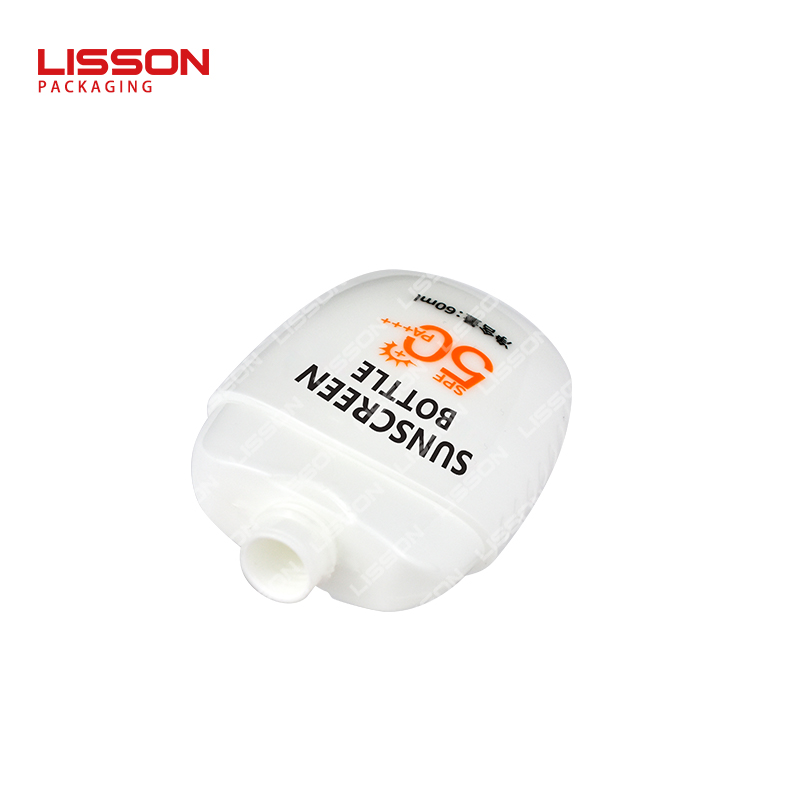
Beim Nachfüllen Ihrer Flasche müssen Sie strenge Richtlinien befolgen, um Verunreinigungen zu vermeiden. Eine ordnungsgemäße Reinigung gewährleistet, dass Ihre Hautpflegeprodukte sicher und wirksam bleiben.
-
Entfernen Sie alle Produktreste aus der Flasche.
-
Waschen Sie den Behälter mit heißem Seifenwasser oder geben Sie ihn in den Geschirrspüler.
-
Die Flasche vor dem Wiederbefüllen vollständig trocknen lassen.
-
Reinigen Sie Ihre Behälter mindestens einmal im Jahr gründlich.
Tipp: Saubere Behälter verringern das Risiko von Bakterienwachstum und erhalten die Produktqualität.
Verantwortungsvolle Entsorgung und Recycling
Um die Umweltbelastung zu minimieren, müssen Sie Ihre Flasche verantwortungsvoll entsorgen oder recyceln. Prüfen Sie, ob Ihr Behälter recycelbar ist, und beachten Sie die örtlichen Richtlinien.
|
Containertyp |
Recyclingfähigkeit |
|---|---|
|
Hartplastikflaschen |
Im Allgemeinen recycelbar, wenn sauber, leer und trocken; Pumpen entfernen. |
|
Weiche, quetschbare Tuben |
Aufgrund der gemischten Materialien oft nicht über die Wertstoffsammlung recycelbar. |
|
Aerosole |
Aufgrund von Bearbeitungsproblemen wird die Abholung am Straßenrand nicht akzeptiert. |
|
Stöcke |
Wird üblicherweise im Müll entsorgt. |
Befolgen Sie diese bewährten Vorgehensweisen:
-
Überprüfen Sie das Verfallsdatum der Sonnencreme.
-
Kleinere Mengen können im normalen Abfall entsorgt werden.
-
Spülen Sie den leeren Behälter gründlich aus.
-
Bitte recyceln Sie den Behälter gemäß den örtlichen Richtlinien.
Hinweis: Eine sachgemäße Entsorgung unterstützt Recyclingsysteme und reduziert den Abfall auf Deponien.
Wo man umweltfreundliche, leere Sonnencremeflaschen findet
Empfohlene Marken und Händler
Bei der Suche nach umweltfreundlichen Verpackungen haben Sie viele Möglichkeiten. Lisson Packaging zeichnet sich als zuverlässiger Lieferant mit über 20 Jahren Erfahrung aus. Zum Produktsortiment gehört die hochwertige, leere Sonnenschutzmittelflasche aus robustem PE-Material, die sich durch ergonomisches Design und individuelle Branding-Optionen auszeichnet. Auf das Engagement von Lisson Packaging für Qualität und Nachhaltigkeit können Sie sich verlassen.
Mehrere andere Marken sind mit innovativen Ansätzen marktführend:
-
Mama KULEANA verwendet biologisch abbaubare Pappröhren und kompostierbare Behälter.
-
Project Reef verwendet im Meer gesammelte Kunststoffe als Verpackungsmaterial.
-
Cōtz Sonnenschutzmittel setzen zu 100 % auf recycelte Materialien aus Verbraucherabfällen.
-
Sun Bum integriert pflanzenbasierte Kunststoffe und wiederverwendbare Systeme.
-
Coola bietet wiederbefüllbare Tuben aus nachhaltigem Zuckerrohr an.
-
Badger Balm und Raw Elements verwenden recycelbare Aluminiumtuben.
Diese Marken sind im Fachhandel, in umweltorientierten Online-Shops und in ausgewählten Apotheken erhältlich. Viele Marken bieten auch die Möglichkeit zur Direktbestellung über ihre Websites.
Online-Shopping-Tipps
Beim Online-Shopping ist es wichtig, Produkte genau zu prüfen. Achten Sie auf klare Beschreibungen der Materialien und Nachhaltigkeitsmerkmale. Prüfen Sie Zertifizierungen wie EcoCert, Green Seal oder das EWF-Siegel. Diese Zertifizierungen bestätigen Umweltversprechen und helfen Ihnen, irreführende Werbung zu vermeiden.
Berücksichtigen Sie diese Kriterien beim Vergleich der Optionen:
|
Kriterien |
Warum das wichtig ist |
|---|---|
|
Materialtransparenz |
Stellt sicher, dass Sie wissen, was in die Flasche kommt. |
|
Zertifizierung |
Bestätigt umweltfreundliche Standards |
|
Anpassung |
Ermöglicht es Ihnen, die Verpackung an Ihre Marke anzupassen. |
|
Wiederverwendbarkeit |
Unterstützt nachhaltige Gewohnheiten |
|
Reputation des Einzelhändlers |
Zeigt Zuverlässigkeit und Produktqualität an |
Tipp: Lesen Sie Kundenrezensionen und sehen Sie sich detaillierte Produktfotos an. So erhalten Sie Einblicke in die Langlebigkeit und die Benutzerfreundlichkeit.
Sie leisten einen positiven Beitrag, indem Sie Marken wählen, die Nachhaltigkeit und Transparenz in den Vordergrund stellen. Ihre sorgfältige Auswahl unterstützt einen gesünderen Planeten und fördert verantwortungsvolle Produktionsverfahren.
Sie profitieren langfristig, wenn Sie sich für eine leere Sonnenschutzmittelflasche aus nachhaltigen Materialien entscheiden. Diese Flaschen reduzieren den CO₂-Ausstoß, sparen Energie und fördern eine Kreislaufwirtschaft.
|
Besonderheit |
Neuplastik |
Recyceltes PET |
Umweltauswirkungen |
|---|---|---|---|
|
CO2-Fußabdruck |
Hoch |
Niedrig |
Geringere CO₂-Emissionen |
|
Energieverbrauch |
Intensiv |
Reduziert |
Spart fossile Brennstoffe |
|
Recyclingfähigkeit |
Mäßig |
Hoch |
Unterstützt die Wiederverwendungsschleife |
-
Biokunststoffe aus nachwachsenden Rohstoffen helfen der lokalen Landwirtschaft.
-
Intelligente Logistik und umweltfreundliche Technologien reduzieren die Umweltbelastung zusätzlich.
Handeln Sie noch heute. Pflegen Sie umweltfreundliche Gewohnheiten und helfen Sie mit, einen gesünderen Planeten für zukünftige Generationen zu schaffen.
Häufig gestellte Fragen
Welche Materialien machen eine Sonnencremeflasche umweltfreundlich?
Achten Sie auf Flaschen aus recycelbaren Kunststoffen wie PE, Glas oder Aluminium. Diese Materialien unterstützen Recyclingprogramme und reduzieren den Abfall auf Deponien. Viele Marken verwenden zudem recycelte Materialien oder biobasierte Kunststoffe, um die Umweltbelastung zu verringern.
Wie reinigt und verwendet man eine leere Sonnencremeflasche wieder?
Spülen Sie die Flasche mit warmem Seifenwasser aus. Lassen Sie sie vor dem Wiederbefüllen vollständig trocknen. Um Bakterienbildung vorzubeugen, empfiehlt sich eine gründliche Reinigung der Flasche mindestens einmal jährlich.
Tipp: Prüfen Sie vor dem Reinigen immer, ob die Flasche spülmaschinenfest ist.
Können alle Teile einer leeren Sonnencremeflasche recycelt werden?
Nicht alle Teile sind recycelbar. Pumpen und Deckel, die aus verschiedenen Materialien bestehen, sollten entfernt werden. Bitte informieren Sie sich über die Recyclingrichtlinien in Ihrer Region. Die meisten PE-Flaschen sind weitgehend recycelbar, einige Komponenten erfordern jedoch möglicherweise eine spezielle Behandlung.
Wo kann man umweltfreundliche, leere Sonnenschutzmittelflaschen kaufen?
Diese Flaschen erhalten Sie bei vertrauenswürdigen Anbietern wie Lisson Packaging, in umweltorientierten Online-Shops und ausgewählten Apotheken. Achten Sie auf klare Materialbeschreibungen, Zertifizierungen und Kundenbewertungen, um Qualität und Nachhaltigkeit sicherzustellen.