Two solutions fix this problem: airless packaging for protection and 30g wholesale sizes for travel-friendly, retail-ready distribution. Each option protects your sunscreen and helps your brand goals. Keep reading below to pick the best combination for your product line.
Key Takeaways
-
Airless pumps keep sunscreen away from oxygen. They help UV filters work well. They cut down on wasted product.
-
Test the bottle's plastic with the real formula you will use. Look for leaks, swelling, or color changes.
-
Pick 30g airless bottles for travel and sample use. This size helps reorders happen faster. It keeps retail buyers happy.
-
Check the minimum order amounts, certifications, and delivery times before you order. These things affect the cost, quality, and schedule.
-
Pick your own colors and designs to make your brand stand out. Small 30g bottles keep labels clear.
Why Airless Packaging Works Best for Sunscreen
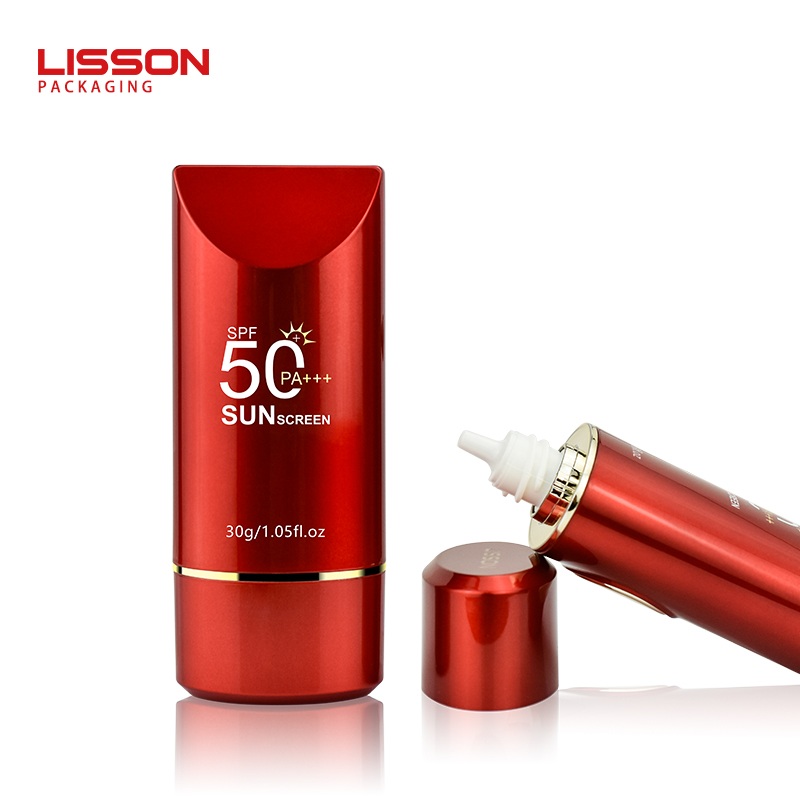
Sunscreen has active UV filters and stabilizing ingredients. These ingredients break down when oxygen touches them. Every time a normal bottle is opened, air gets in and slowly ruins the formula. Airless pumps fix that issue. They stop outside air from coming back into the container. That protection keeps the product strong and makes it last longer. The sunscreen works as it should from first use to last.
Benefits of Airless Plastic Sunscreen Cream Bottles
Thick creams need a dispenser that works every time. Airless pumps give the right amount with each press. You don't get the lumps and clogs seen with regular tubes. The pump also keeps the formula clean because only the nozzle touches the product.
Plastic sunscreen cream bottles with airless pumps are handy for everyday use. The plastic is light and won't shatter. You can throw one into a beach bag or carry-on without stressing. That toughness counts when you travel or head outside. It also survives the knocks and falls of daily life.
Preservatives matter too. Airless systems cut the need for extra preservatives because the formula stays closed off from contamination. You can make a milder product with fewer ingredients. That attracts buyers who check labels and want fewer additives.
The packaging barrier keeps your formula safe. Airless bottles make a closed system. Oxygen can't get to the active ingredients. Bacteria and mold can't get in. Your sunscreen stays stable and safe for its whole shelf life.
Reducing Waste and Oxidation with Airless Pumps
Old-style pump dispensers waste product. The dip tube can't reach the bottle bottom. A big part of the formula is left behind. Airless pumps use a piston to push out all the contents. That design gets almost all the product out.
|
Bottle Type |
Residual Product |
Evacuation Performance |
|---|---|---|
|
Traditional non-airless pump bottle |
5–15% residual (sourcing assumption, not guaranteed; affected by bottle geometry, dip-tube cut, and formula flow) |
Not fully evacuated; product remains unreachable |
|
Airless pump bottle |
<3% residual (buyer acceptance target for a qualified system, must be measured with actual formula) |
Nearly 100% product evacuation via piston mechanism |
The difference is big. A regular bottle may waste 10–15% of its contents. An airless system leaves less than 3% behind. So more of your cream reaches the customer. You cut waste and increase value.
Oxidation is another enemy. Sunscreen ingredients react with oxygen and stop working. Airless pumps stop that reaction. The cream stays fresh longer. You make the usable life of every bottle longer.
These benefits work for all airless bottles, any size. The mechanism works the same whether you pick a 30g travel size or a larger retail bottle. You get steady performance and less waste across your whole product line.
Choosing the Right Material for Plastic Sunscreen Bottles
Your sunscreen formula should decide your material choice. How thick the cream is, oil-based filters, and storage heat all change how a bottle works. The right package keeps your product stable and safe. This choice shapes your whole product line.
HDPE, PET, and PP for Sunscreen Packaging
High-density polyethylene durability makes HDPE a strong starting point. HDPE resists impact and stress cracking. It works well with oil-based formulas. PET gives you clarity for visible creams. PP handles warm filling temperatures. The right material depends on your formula.
Material compatibility is your biggest risk. Oil-based filters can soften containers over time. Swelling, cracks, or leaking seams may show up. A stability test stops these failures.
-
Get a small batch of empty bottles in the chosen material (HDPE, PET, or PP) from the factory.
-
Fill the bottles with the actual oil-based sunscreen formula.
-
Store the filled bottles at room temperature and at a higher temperature for the planned shelf life.
-
Watch for these changes over the storage period:
-
Color change
-
Odor development
-
Softening of the bottle
-
Leakage
-
Cap reaction
-
-
Treat this stability test as a required step before placing a full production order, not as an optional extra.
Watch for leakage, swelling, cracks, discoloration, and changes in rigidity, dispensing, or formula performance.
Your HDPE bottles must pass these checks before launch. HDPE handles most oil blends well. But every formula is different. Confirm with your own product.
Recyclable Material Choices for Plastic Sunscreen Bottles
PET and HDPE are recyclable. These HDPE bottles appeal to eco-conscious customers. High-density polyethylene refillable bottles go further. Customers refill them again and again.
Refillable sunscreen packaging builds brand loyalty. Your plastic sunscreen bottles must combine protection with usability. HDPE, PET and glass options all serve different needs. Glass breaks easily. PET needs coatings. HDPE delivers balance.
The material's transparency affects light protection. Clear plastic lets light in. That exposure shortens shelf life. Ask for UV-blocking additives or labels. HDPE stays strong through repeated use.
The durability of your bottle matters in transit. Durability affects shipping, storage, and daily use. A tough bottle survives drops. Safety begins with the right packaging. Choose a bottle that protects your formula and your brand.
The 30g Size Advantage for Sunscreen Packaging
Empty 30g Sunscreen Cream Bottle Packaging for Travel and Trials
The 30g bottle works for travel and trial markets. It meets TSA limits, so it suits testers. This empty 30g bottle lets you start a trial sunscreen line without changing your setup. People finish 30g sizes quickly, so reorders come faster.
Pick the bottle shape with care. Size and shape must match. Cream acts differently in a tall bottle than in a squat jar. An airless pump needs headspace. A squeeze tube needs body to press out every dose. Ask for physical samples before you commit to a 30g design.
Airless Bottle Sunscreen Hand Cream Bottle for 30g Retail Orders
For retail orders, look for this hand cream bottle style from wholesale suppliers. It has a plastic outer shell and a pump that keeps oxygen away from your sunscreen cream. Suppliers sell it in 15ml, 30ml, 50ml, and 100ml sizes, so you can move from trial to retail easily. Choose a bottle size that fits how often customers use it.
Retail buyers expect clean dispensing. An airless bottle gives a set amount each press and stops suction-back from pulling oxygen into the formula. For sunscreen containers, this detail protects UV filters. Your sunscreen product stays effective to the last press. Decoration for a 30g run includes silk-screen printing, heat transfer printing, hot stamping, and UV printing, so branding stays sharp at a compact size.
For many sun care bottles, the 30g airless format is the retail standard. When you compare packaging costs, an airless pump adds value by cutting waste. Lead time matters, so ask for a schedule before you commit.
Most projects go from first request to production in about 20–25 days after your order confirmation. Free stock-color samples are usually available up front.
MOQ levels will shape your order. Stock colors have a lower minimum. Custom Pantone colors need a higher minimum. A new mold takes the most commitment. Ask which level fits your 30g bottle size plan before you work out unit price.
Wholesale Sourcing Guide for Plastic Sunscreen Bottles
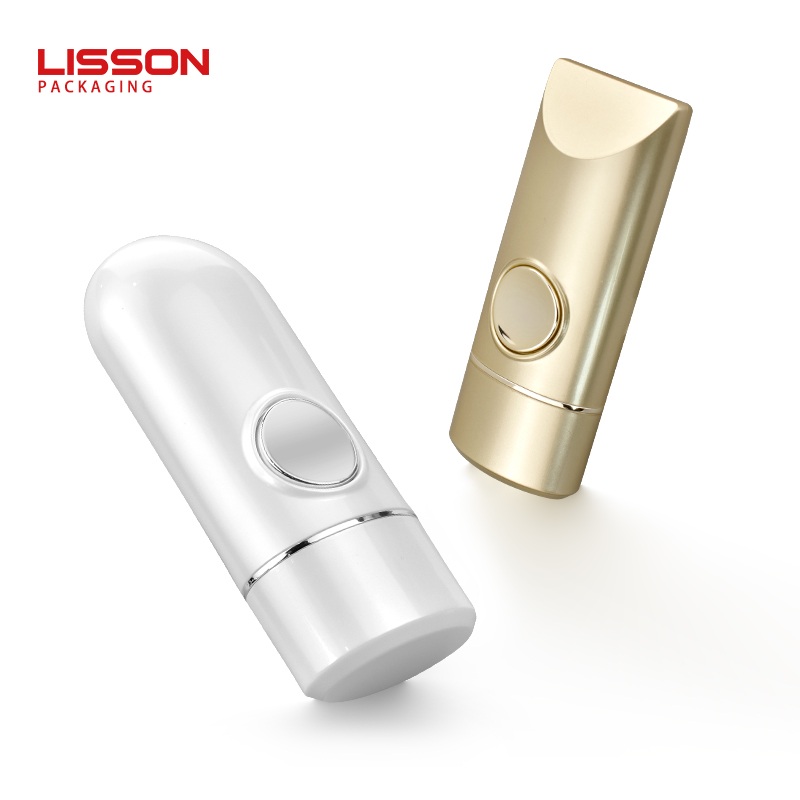
You have your formula and your bottle design. Now you need a supplier who can make a lot of bottles for you. This step decides your cost, your timeline, and your product quality. Ask the right questions before you place any order.
MOQs, Certifications, and Lead Times for Sunscreen Packaging
Minimum order quantities change based on how much you customize. Standard stock bottles start at 10,000 pcs per SKU. Custom Pantone colors raise that to 20,000 pcs. A new mold needs 300,000 pcs. One real product example, the ZF143 sunscreen bottle in 30G and 50G, uses PP and LDPE with a 12,000 pcs MOQ.
Airless bottles have higher minimums than plain bottles. The piston, pump group, and body are separate parts. Each part needs its own production setup. A stock-mould airless pump bottle from China usually starts at about 10,000 pieces per item. Stock airless lead time runs 20–30 days from the factory gate. A private-mould airless bottle takes 90–120 days.
Certifications protect your brand. ISO 22716:2007 covers cosmetic GMP areas like production, equipment, and facilities. MoCRA directs the FDA to establish cosmetic GMP rules using ISO 22716 as a guide. Manufacturers should follow ISO 22716 now while final rules are pending. FDA 21 CFR Part 210 and 211 CGMP certificates apply to specific products and markets. Always check the audited scope, not just the certificate logo.
Closure selection affects user experience directly. Airless pumps suit thick creams and deliver a set dose each press. Dose repeatability sits around 0.05 ml. A cream formula needs 0.5–1.0 cc per stroke. A thinner serum uses 0.15–0.2 cc. Disc-top caps work for thinner lotions. Match the closure to your formula thickness and your dispensing needs.
Customizing 30g Airless Bottles for Your Skincare Brand
Custom work goes beyond a logo. You can choose bottle color, pump finish, and decoration method. Silk-screen printing, heat transfer, hot stamping, and UV printing all work on a 30g airless bottle. These options keep your branding sharp at a compact size.
Material choice shapes durability and safety. HDPE resists impact and stress cracking. It handles oil-based formulas well. PET gives clarity. PP handles warm filling. Every material must pass a compatibility test with your actual formula. Watch for leakage, swelling, and cap reaction during storage.
Leak protection starts with the right pump and body fit. A quality airless system creates a sealed barrier. This design supports leak prevention across shipping and daily use. Leak-proof functionality also depends on the piston seal and the bottle neck finish.
Refillable sunscreen packaging adds another layer of value. You can offer refill cartridges that fit the same outer bottle. This approach cuts plastic waste and builds repeat purchases. Your customers keep the pump and replace only the inner cartridge.
Lisson works as a packaging partner for bulk orders, custom labeling, and brand-specific finishing. You can request stock-color samples up front at no cost. Most projects move from first request to production in about 20–25 days after order confirmation. Ask about MOQ tiers for your 30g airless bottle size before you finalize unit pricing.
You now have a clear plan. First, pick airless pumps to guard your sunscreen formula. Second, choose the right plastic material for your cream. Third, use 30g sizes for travel and trial channels. Fourth, check wholesale suppliers on MOQs, certifications, and customization.
The best plastic sunscreen cream bottles do more than just hold product. They keep the formula stable, support green goals, and boost your brand. Contact Lisson today for quotes, samples, or custom 30g airless bottle packaging. The right packaging makes sunscreen last longer, cuts waste, and helps your line compete in travel and wholesale markets.
FAQ
Which bottle type protects active UV filters best?
An airless pump bottle protects your formula best. The pump stops outside air from re-entering the container. Oxygen breaks down UV filters over time. A sealed airless system keeps your sunscreen potent from the first press to the last.
How do I test if a plastic bottle suits my formula?
Fill sample bottles with your actual formula. Store them at room temperature and at a higher temperature. Check for leakage, swelling, softening, and color changes over the planned shelf life. Run this test before you place a full production order.
What is the smallest order I can place for 30g airless bottles?
Stock-color 30g airless bottles usually start at 10,000 pcs per SKU. Custom Pantone colors raise the minimum to 20,000 pcs. A new mold requires 300,000 pcs. Ask your supplier which tier fits your plan before you finalize unit pricing.
How long does production take for a 30g airless order?
Most projects move from first request to production in about 20–25 days after order confirmation. Stock airless lead time runs 20–30 days from the factory gate. A private-mould airless bottle takes 90–120 days. Confirm the schedule before you commit.
Can I customize the color and decoration on 30g bottles?
Yes. You can choose bottle color, pump finish, and decoration method. Silk-screen printing, heat transfer, hot stamping, and UV printing all work on a 30g airless bottle. These options keep your branding sharp at a compact size.